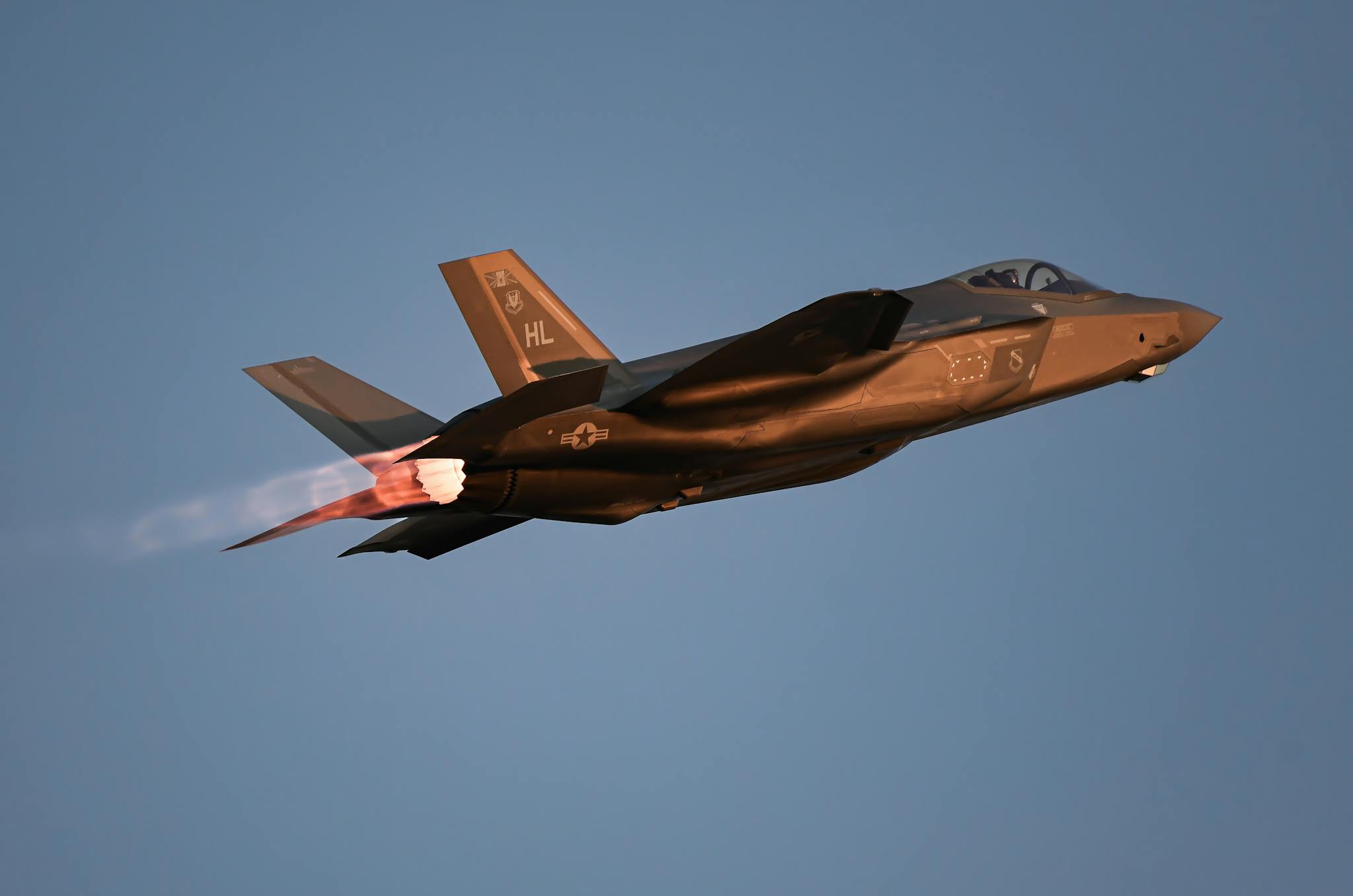
Five Forces That Could Drive Defense Stocks Up 1,000% by End-of-Year
In recent years, the global defense sector has moved from a slow, steady industry into one experiencing rapid transformation. Rising geopolitical tensions, new technologies, and structural shifts in government spending are creating conditions that many investors believe could favor companies operating in aerospace, defense, cybersecurity, and military technology. While large defense contractors often dominate headlines, several deeper trends are unfolding that many retail investors have not fully recognized.
1. Multi-Year Defense Spending Expansion
One of the most powerful drivers is the long-term expansion of defense budgets worldwide. Countries across Europe, Asia, and North America have committed to increasing military spending, often targeting defense budgets equal to at least two percent of national GDP. Because many procurement programs last for decades, these spending commitments create a pipeline of contracts that can support revenue growth for defense suppliers for many years.
2. Aging Military Equipment Requires Replacement
A second factor is the age of much of the world’s military hardware. Many aircraft fleets, naval systems, and ground vehicles were originally developed decades ago and now require modernization or replacement. Maintenance, upgrades, and new systems procurement can create large opportunities not only for prime contractors but also for specialized suppliers that provide components, electronics, and thermal systems.
3. The Rise of Autonomous Systems and Drones
Defense technology is shifting toward unmanned systems, artificial intelligence, and advanced sensors. Military drones, autonomous vehicles, and battlefield data systems are becoming central to modern defense strategies. Companies involved in these technologies may see growing demand as governments prioritize modern capabilities over traditional hardware.
4. Expansion of the Defense Supply Chain
Major defense programs rely on thousands of smaller subcontractors that manufacture specialized components. As production ramps up for aircraft, missiles, satellites, and other systems, demand can spread across this supply chain. Some smaller aerospace companies may benefit from increased contract volume as larger programs accelerate.
5. Space and Cybersecurity as New Defense Frontiers
Space infrastructure and cyber defense are rapidly emerging as critical national security priorities. Governments are investing heavily in satellite systems, launch capabilities, and digital defense networks. This creates opportunities for companies developing launch vehicles, satellite platforms, secure communications, and cybersecurity technologies.
While these structural trends may support long-term growth in parts of the defense sector, investors should remember that markets can be volatile and company performance varies widely. Careful research, diversification, and a long-term perspective remain essential when evaluating investment opportunities in this evolving industry.